
How to Buy a Timeshare: The Complete Buyer's Guide for 2025
Should You Buy a Timeshare in 2025?
Timeshare gets a bad reputation — mostly from high-pressure developer sales presentations, dubious exit companies, and decades of misleading marketing. But strip away the noise, and the core proposition is straightforward: pay once for the right to use a specific resort for one or more weeks every year, and cover a modest annual maintenance fee in exchange for guaranteed holiday accommodation.
For the right buyer, that proposition makes excellent sense. For the wrong buyer, it is an expensive mistake. This guide helps you figure out which one you are — and if you decide to buy, how to do it safely and at the right price.
Resale vs Developer: Why Buying Private Is Almost Always Better
This is the single most important decision you will make as a timeshare buyer. Developer timeshare — purchased from the resort at a sales presentation — is almost always significantly overpriced. Developers fund enormous sales and marketing operations through the price they charge buyers. Resale timeshare — purchased from a private owner through a marketplace like BidMyTimeshare.com — is the same product at a fraction of the cost.
How Big Is the Price Difference?
A timeshare week at a well-known resort that costs €15,000 to €25,000 from the developer can often be purchased on the resale market for €1,000 to €5,000 — or sometimes less. In some cases, particularly for weeks at older resorts or in less popular seasons, resale prices approach zero, with buyers sometimes paying only transfer fees.
The reason is simple: timeshare is not a financial asset that appreciates in value. It is a prepaid holiday product. Once a developer has sold a week and banked the profit, the resale market establishes its true utility value — which is determined by the annual maintenance fee and the quality of the holiday experience it delivers.
Step 1: Choose Your Destination and Resort
Start with where you actually want to holiday, not with a product you have been shown. The best timeshare purchase is a week at a resort you have already visited and enjoyed — or one in a destination you plan to visit repeatedly over the coming years.
Questions to Ask Yourself
- Which destinations do I visit most years? (Spain, Portugal, the Canaries, Florida, the Caribbean?)
- Do I always travel at the same time of year, or does my schedule vary? (Fixed weeks vs floating weeks)
- How important is the resort brand vs the location? (Marriott Vacation Club weeks hold value better than unknown brands)
- Am I buying for my own use, for rental income, or both?
Step 2: Research the Resort
Before making any offer, research the specific resort thoroughly.
What to Check
- Management company: Who runs the resort? Are they financially stable? Search for recent owner reviews on TripAdvisor, Timeshare Users Group (TUG), and RedWeek.
- Maintenance fee history: Ask the seller for fee statements from the last three years. Fees rising significantly above inflation every year suggest poor management or deferred maintenance.
- Physical condition: When was the resort last refurbished? Older resorts with no recent renovation investment are lower quality holidays and harder to resell.
- Exchange affiliation: Is the resort affiliated with RCI or Interval International? Exchange membership gives you access to thousands of other resorts worldwide, dramatically increasing the value of your week.
Step 3: Understand What You Are Buying
Timeshare comes in several legal structures. The structure you buy affects your rights, your ability to sell, and what happens when you no longer want the week.
Deeded Ownership
You own a fractional deed to the property, similar to real estate. More common in the USA. Gives you the strongest rights but also means you are bound by the deed in perpetuity (or until you sell or transfer). Some US states allow you to deed the property back to the resort, though most resorts resist this.
Right-to-Use (RTU)
You have a contractual right to use the resort for a specified period — typically 20 to 50 years. More common in Europe. At the end of the contract period, the right expires. This is often preferable to perpetual ownership if you are concerned about passing liabilities to your heirs.
Points-Based Systems
Rather than a specific week, you receive an annual allocation of points that can be redeemed across a network of resorts for varying week lengths, room types, and seasons. Flexible but complex. The value of your points can be diluted if the operator adds more points to the system without adding equivalent accommodation.
Step 4: Run Due Diligence Before You Commit
Once you have identified a specific week you want to buy, verify everything before signing anything.
Due Diligence Checklist
- Confirm the seller is the legal owner — ask for the original purchase contract or membership certificate
- Verify there are no outstanding maintenance fees owed on the week (unpaid fees transfer with ownership in most jurisdictions)
- Confirm the week is not subject to any charge, lien, or encumbrance
- Read the resort's current maintenance fee statement for the current year
- Check whether the resort management company has any insolvency or legal proceedings against it
- Verify the transfer process — who handles it, how long does it take, what are the transfer fees?
Step 5: Make an Offer and Negotiate
On BidMyTimeshare.com, you can submit offers directly to sellers. Timeshare sellers on the private market are typically motivated — many are paying annual fees for weeks they no longer use. A reasonable offer, made respectfully, is almost always worth making even if the asking price seems too high.
What Is a Fair Price?
Fair market value for a resale timeshare week is whatever a willing buyer and willing seller agree to. As a guide:
- Peak-season weeks at premium branded resorts (Marriott, Hilton, Wyndham): typically €2,000 to €8,000
- Shoulder-season weeks at well-managed independent resorts: typically €500 to €2,500
- Off-peak weeks or weeks at resorts with high fees and weak demand: often under €500, sometimes nominal
Step 6: Complete the Transfer
Once you have agreed terms, the transfer is handled through the resort's management company. This typically involves:
- Signing a transfer agreement (provided by the resort or a specialist transfer company)
- Paying any transfer or administration fee charged by the resort (typically €150 to €500)
- The seller clearing any outstanding maintenance fees before transfer completes
- The resort updating its records to show you as the new owner
Transfer timelines vary from a few weeks to several months depending on the resort. Get a written confirmation of the expected timeline before you pay anything.
Red Flags: What to Avoid
- Unsolicited approaches: Legitimate timeshare sellers do not cold-call you. If someone phones offering you a timeshare at a price that seems too good to be true, it is a scam.
- Upfront fees for vague services: Legitimate resale transactions do not require you to pay large upfront fees to a company you have never heard of before you receive anything.
- Pressure to decide immediately: Any legitimate sale can wait 24 to 48 hours for you to take legal advice. Walk away from any deal that cannot.
- High annual fees relative to the asking price: If the annual maintenance fee is €1,200 and the asking price is €200, you are essentially buying a perpetual obligation, not an asset.
Frequently Asked Questions
Can I inspect the resort before buying?
Yes, and it is strongly recommended if you have not already stayed there. Many resorts allow prospective resale buyers to visit. Contact the resort management company directly.
What if I change my mind after buying?
In the EU and UK, there is a mandatory cooling-off period (14 days in the EU, 14 days in the UK) during which you can cancel a timeshare purchase without penalty, even if you have already signed. Outside this period, you are bound by the contract unless you can negotiate an exit with the resort or find a buyer.
Is timeshare a good investment?
No. Timeshare is not an investment and should never be sold or purchased as one. It is a prepaid holiday product. Treat it as such — evaluate it on the quality and consistency of the holidays it will deliver over the years you intend to use it.
Start Browsing on BidMyTimeshare.com
BidMyTimeshare.com lists thousands of timeshare weeks from private sellers across Europe, the USA, and the Caribbean. You can browse by destination, week type, and price, submit offers directly to sellers, and complete the purchase with no intermediary taking a cut. Create a free account and start your search today.
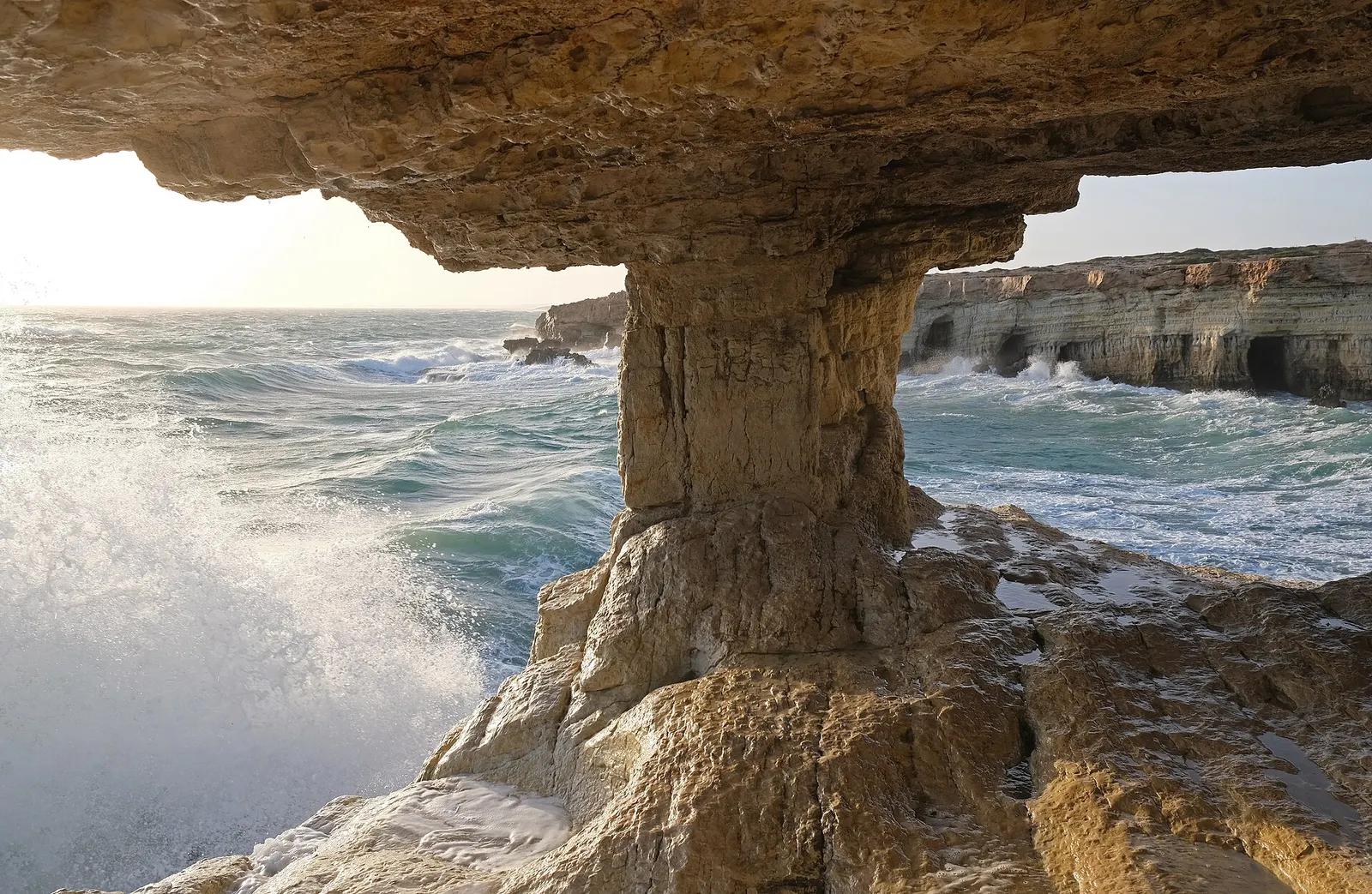
Cover photo: Cape Greco, Cyprus · Photo: kallerna, CC BY-SA 4.0 / Wikimedia Commons
Ready to sell your timeshare?
0% commission — keep every dollar you earn. Listing from $16.90.