
Timeshare in the Canary Islands: Tenerife, Gran Canaria, Lanzarote and Fuerteventura
Why the Canary Islands Are Different
The Canary Islands occupy a unique position in the global timeshare market. Unlike mainland Spain or Mediterranean island destinations, the Canaries enjoy genuinely year-round warm weather — average temperatures range from around 18°C in January to 27°C in August. This makes them attractive to a fundamentally different buyer than the seasonal summer destinations: owners who specifically want a winter escape from northern Europe, and who return not just in summer but in December, January, and February.
This year-round appeal means that Canary Islands timeshare weeks have stronger resale demand than many mainland Spanish equivalents. Winter weeks that would be almost worthless at a seasonal resort command genuine prices in the Canaries market.
Island by Island
Tenerife
Tenerife is the largest of the Canary Islands and home to the greatest concentration of timeshare resorts. The south of the island — Playa de las Américas, Los Cristianos, Costa Adeje, and Golf del Sur — hosts dozens of resort complexes ranging from budget apartments to luxury five-star properties. The north of the island (Puerto de la Cruz) has a more traditional, less resort-heavy character.
Major timeshare brands in Tenerife include Club La Costa, Anfi del Mar (though primarily Gran Canaria-based, they have Tenerife properties too), Diamond Resorts/Hilton Grand Vacations, and numerous independent resorts. The sheer volume of supply means competitive resale pricing — buyers can find excellent value, and sellers need to be realistic about price.
Gran Canaria
Gran Canaria's timeshare market is centred on Maspalomas and the adjacent resorts of Playa del Inglés and Meloneras. The island is particularly associated with Anfi del Mar, one of Spain's most famous timeshare resorts — a stunning complex built on a private beach with white Bahamian sand imported from the Caribbean. Anfi weeks are among the most actively traded in the Spanish resale market.
Gran Canaria also has a significant number of smaller independent resorts across the south of the island, and the Arguineguín and Puerto Rico areas host additional quality resort properties.
Lanzarote
Lanzarote appeals to buyers who want something beyond the conventional beach holiday. The island's volcanic landscape, UNESCO Biosphere Reserve status, and distinctive architecture (influenced by the artist César Manrique) give it a character unlike any other Canary Island. Puerto del Carmen is the main resort area; Playa Blanca and Costa Teguise also host quality timeshare complexes.
Lanzarote timeshare weeks carry a small premium over equivalent Fuerteventura weeks in the resale market, reflecting the island's stronger brand identity and loyal repeat visitor base.
Fuerteventura
Fuerteventura is the Canary Island that feels most African — geographically it is just 100 kilometres from the Moroccan coast, and its flat, arid landscape and enormous sand beaches reflect that proximity. Corralejo in the north and Morro Jable in the south are the main resort areas. The island is particularly popular with windsurfers and water sports enthusiasts.
Fuerteventura timeshare is generally the most affordable in the Canaries — high supply and lower name recognition relative to Tenerife mean competitive resale prices for buyers.
Canary Islands Timeshare: What to Know Before Buying
- Check the resort's financial health: A significant number of Canary Islands timeshare resorts have faced financial difficulties in recent years. Before purchasing resale, verify that the resort's owners' committee is solvent and that maintenance fees are current.
- Understand the exchange network: Many Canary Islands resorts are affiliated with RCI or Interval International. The exchange value of your week will depend on the resort's rating within the exchange system.
- Winter weeks have premium value: A Christmas or January week at a quality Tenerife resort is significantly more valuable than a high-summer week — unlike most European destinations where summer is always peak.
- Maintenance fees: Expect annual fees of €400 to €1,200 per year for a standard studio or one-bedroom apartment, rising to €1,500+ for larger villas at premium resorts.
Selling Canary Islands Timeshare
The Canary Islands resale market is active but highly competitive. Tenerife and Gran Canaria have the greatest volume of supply, which means sellers need clear differentiation: accurate description, realistic pricing, and professional photos. Winter weeks at established resorts (Anfi, Costa Adeje properties) achieve the best prices.
List your Canary Islands timeshare on BidMyTimeshare.com for free — reach buyers across Europe and beyond without upfront fees or commission.
Frequently Asked Questions
Which Canary Island has the best timeshare resale value?
Historically, Anfi del Mar (Gran Canaria) and premium Costa Adeje resorts (Tenerife) have held value best. Lanzarote weeks also command a modest premium due to the island's strong brand identity.
Are Canary Islands timeshare resorts included in RCI?
Many are. Check your specific resort's current RCI affiliation status — some have left the network or changed exchange partners in recent years.
What is the climate like in the Canary Islands in winter?
Genuinely warm and sunny. Average temperatures in January and February range from 18°C to 22°C depending on the island and elevation. The Canaries are one of very few European destinations where a winter holiday genuinely delivers beach weather.
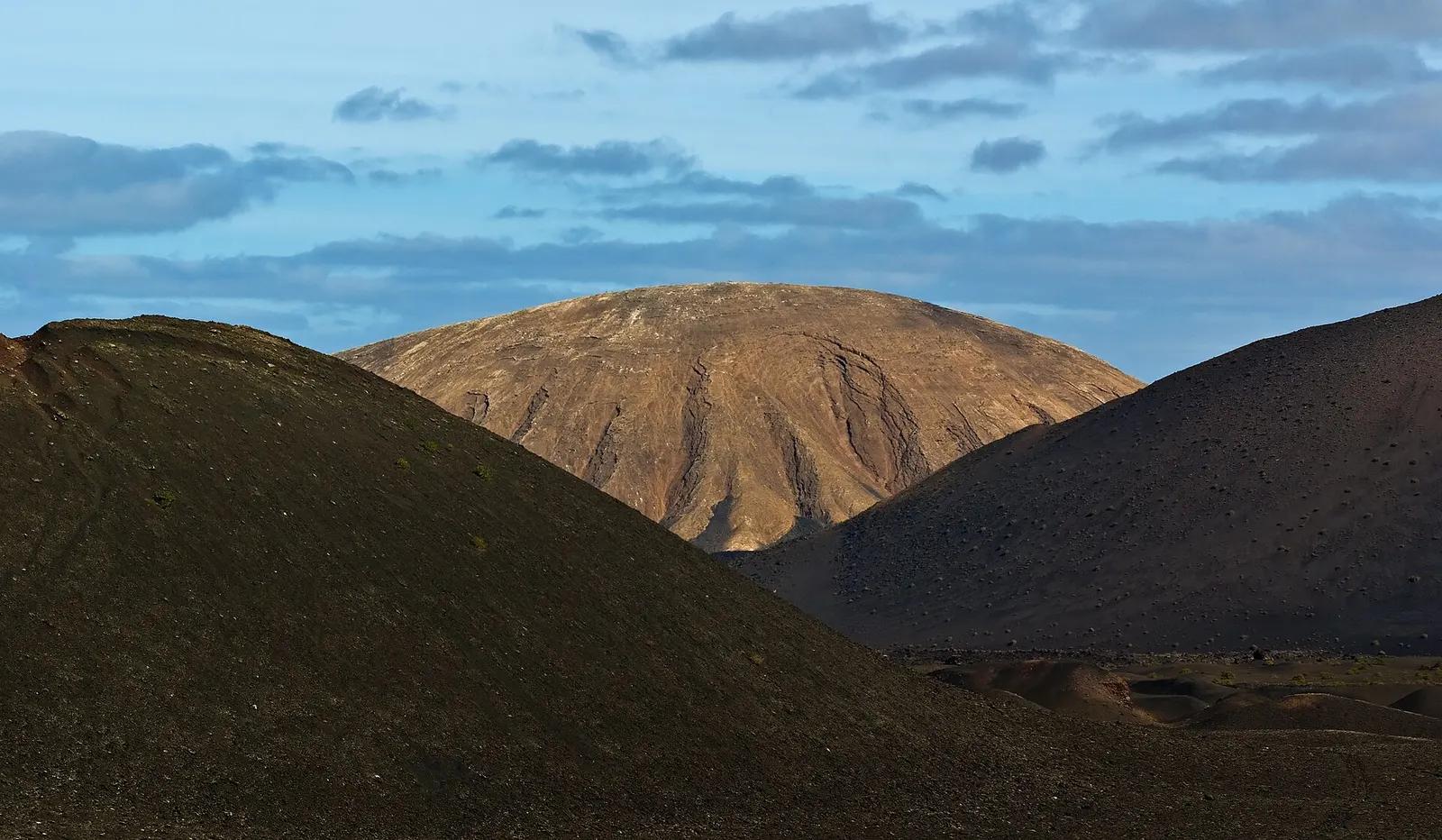
Cover photo: Timanfaya, Lanzarote · Photo: Nikodem Nijaki, CC BY-SA 3.0 / Wikimedia Commons
Ready to sell your timeshare?
0% commission — keep every dollar you earn. Listing from $16.90.